
Tree Removal & Storm Cleanup in North Port
From hazardous oaks and storm-damaged pines to stump grinding and full debris haul-away - the heavy, dangerous tree work in North Port, done safely and cleaned up right.
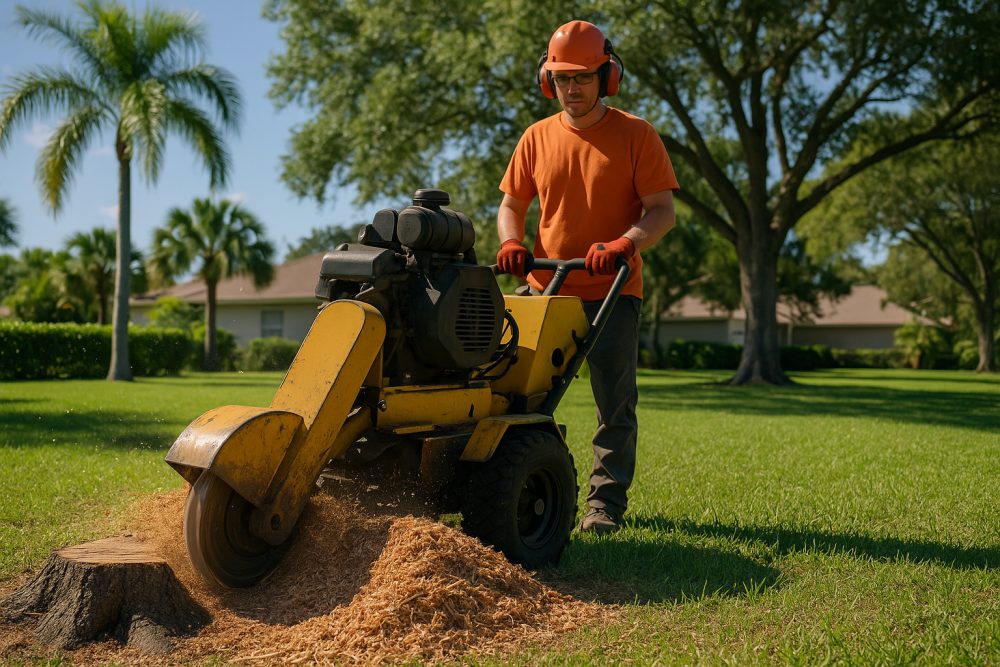
When a tree in North Port has to come down - or a storm already brought one down for you - you want a crew that knows the area, carries real insurance, and shows up. We work North Port and the rest of Sarasota County year-round, not just after a hurricane.
Local know-how for North Port
North Port is sandy, wooded, and growing fast - lots of slash pine and scrub oak. Sandy soil plus tall pines means blowdowns, and many lots here still need clearing for new construction.
Our company serves North Port, Florida with professional tree removal, storm debris cleanup, stump grinding, and emergency tree services across residential and canal-front properties throughout the city. We work on everything from overgrown lots in the city's vast undeveloped interior to mature-tree yards in established neighborhoods, with proper Sarasota County permitting and same-day emergency response.
North Port's Unique Character and What It Means for Tree Work
North Port is one of the largest cities by land area in the entire state of Florida, and that sheer size shapes every aspect of tree work here. Unlike compact coastal towns where crews move quickly between tight neighborhood streets, North Port spreads across a sprawling interior landscape of deep lots, horse properties, canal systems, and long stretches of pine flatwoods. Many homeowners own half-acre to multi-acre parcels - some fully cleared, many not - and the tree canopy varies wildly from block to block. You can have a neighbor with a bare yard and another with a dense stand of slash pine and laurel oak pressing against a roofline. That variety means no two jobs look the same, and crews working here need to know how to read and work in genuinely rural-feeling terrain even when the address is technically city limits.
The city was largely platted and sold off in the mid-twentieth century as individual lots, and development has been rolling in waves ever since. Older sections have mature trees that have had decades to grow into power lines, lift driveways, and spread root systems under slab foundations. Newer sections have younger trees planted at build time that are now hitting the awkward middle-age stage where they're large enough to cause damage but not always obviously problematic to an untrained eye. Both situations require professional attention, and understanding which part of North Port you're in helps set expectations before a crew ever arrives on site.
Local Conditions That Drive Tree Removal Demand
Florida's climate is the underlying driver of nearly every call we get, and North Port's inland position adds its own layer of complexity. The rainy season runs roughly from late spring through early fall, and North Port pulls in significant storm activity precisely because it sits in a corridor that funnels moisture inland from both the Gulf and Charlotte Harbor to the north. The city is far enough from the immediate coast that the ocean breeze that cools places like Venice or Englewood doesn't always moderate conditions here - afternoons in August and September regularly see intense isolated thunderstorms with damaging straight-line winds, and the occasional tornado touchdown is not unheard of.
The soil in much of North Port is sandy and shallow, which is a key factor most homeowners don't think about until after a storm. Pine trees and laurel oaks that look perfectly healthy can have root systems that are wide but not deep, and they're vulnerable to toppling when saturated ground from heavy rain combines with wind. The city's extensive canal network also means many properties back up to water, and trees that overhang or lean toward a canal add a specific liability concern - a fallen tree across a canal can block water flow, create a navigational hazard, and cause far more complicated cleanup than a tree that falls into a yard.
Salt air is less of a factor in North Port than in true beachside communities, but the persistent subtropical humidity drives its own set of problems. Fungal wood decay, bracket fungi on live oaks, and hollowing at the base of older palms are all common findings during tree assessments in this city. A tree that looks full and green from the street can be structurally hollow, and that's exactly the kind of hazard that gets missed without a close, ground-level evaluation by someone who knows what to look for.
What North Port Homeowners Typically Call About
The single most common reason for a call is post-storm emergency work. North Port sees meaningful wind events every hurricane season, and even tropical storms or strong cold fronts trailing through in winter can drop trees or large limbs. When a pine comes down on a fence, a carport, or onto the roof of a lanai, the call needs to happen quickly - both to protect the structure from further water intrusion and to deal with the serious safety risk of a suspended or partially fallen tree.
Beyond emergencies, the most frequent scheduled jobs involve hazard tree removal on undeveloped lots or on the edges of yards where pine scrub meets maintained lawn. North Port has a large number of residents who purchased lots years ago and are now building or simply maintaining the land, and clearing that overgrowth safely requires systematic work: identifying protected species, planning felling direction, chipping brush, and grinding stumps to grade. We see a lot of this work in the interior sections of the city where lot-clearing for new builds is active.
Palm tree trimming and removal is another constant - Sabal palms are Florida's state tree and are present everywhere in North Port, while queen palms are popular in landscaping but far less hurricane-tolerant and more likely to need removal after they outgrow their space or suffer freeze damage during a cold snap. Dead palm frond removal is not just aesthetic; accumulated dead fronds are a known habitat for rats, which is a genuine and widely recognized issue in this part of Southwest Florida.
Stump grinding comes up constantly on its own, particularly on lots where a previous owner or a prior storm removed a tree but left the stump. Stumps in North Port's sandy soil can host termites and other wood-destroying organisms, and they interfere with lawn mowing, new landscaping, and any plans for future construction or driveway extension. Our full list of services includes stump grinding as a standalone job, not just as an add-on to removal.
How the Work Gets Done Right in North Port
Permitting in North Port is managed through the city's own building and development services department, which operates under a different structure than unincorporated Sarasota County. North Port has its own tree ordinance that designates certain species - particularly Sabal palms and larger native hardwoods above a certain diameter - as protected. Removing a protected tree without a permit carries fines, and the process for obtaining approval can involve a site review. We handle all of that on behalf of the homeowner, because the permit process is not something to navigate casually or skip.
Access is often a real logistical consideration in North Port. Many of the larger lots, particularly in the older platted sections, don't have paved or wide driveways, and getting a crane or large chipper to the back of a property can require planning. We assess access routes during the initial visit and, when necessary, use smaller equipment, hand-removal techniques, or section a tree from the top down to avoid ground-equipment access problems. This kind of pre-job planning is part of what separates a professional crew from a truck-and-chainsaw operation.
What the Process Looks Like Start to Finish
A homeowner who contacts us for a free consultation can expect a site visit where we walk the property, evaluate each tree of concern, identify any permit requirements, and discuss the options clearly. We explain what we're seeing, why it matters, and what the work involves - no pressure, no upsell. Once the scope is agreed on, permits are pulled if required, and a schedule is set.
On the day of work, the crew arrives with appropriate equipment for the site, establishes a drop zone and safety perimeter, and proceeds methodically. Debris is chipped or hauled as work progresses. Stumps are ground to a depth that clears the surface for re-seeding or landscaping. Before we leave, we do a final site walk with the homeowner. The property should look clean - not just the immediate work area but the surrounding lawn as well, including any small branches or sawdust.
Emergency work follows the same professional standard but on a compressed timeline. We prioritize calls where a tree is actively on a structure, and we communicate estimated arrival times honestly rather than guaranteeing windows we can't keep. You can review our common questions page for more detail on how emergency calls are handled and what information to have ready when you contact us.
Mistakes to Watch For and How to Avoid Them
The most common mistake North Port homeowners make is hiring an uninsured crew that shows up with a low bid after a storm. This is especially prevalent after major wind events when demand spikes and out-of-area crews flood the market. An uninsured contractor won't pull permits, won't carry the liability insurance that protects you if someone is injured on your property, and won't be reachable if something goes wrong. In a city the size of North Port, where post-storm demand is high and oversight resources are stretched, this is a real and recurring problem.
Another frequent mistake is waiting too long on a tree that's showing obvious warning signs - significant lean after a storm, visible fungal growth at the base, dead wood in the upper canopy, or root heaving near the base. These are not cosmetic issues. A compromised tree on a large North Port lot might seem far from the house, but in a wind event it can cover surprising distance. The cost of removal before a failure is nearly always less than the cost of emergency removal plus structural repair afterward.
Why North Port Residents Choose a Local Professional
North Port is a community where people are deeply invested in their properties - many residents chose the city specifically for the space, the larger lots, and the ability to have a yard that feels removed from dense suburban development. That investment deserves professional stewardship. A crew with genuine knowledge of North Port's tree species, soil conditions, canal-adjacent work, and local permit requirements will do the job more safely, more efficiently, and with fewer surprises than a generalist operation working outside its area.
We serve North Port as part of a broader service footprint across the region - you can see all of the communities we work in on our areas we serve page. Choosing someone familiar with the land, the regulations, and the specific challenges of this large inland city isn't just a preference - for complex tree work on North Port's distinctive properties, it's the smarter call.
Nearby Areas and Neighborhoods Worth Knowing
North Port's boundaries touch several other communities, and our service coverage extends through them all. The West Villages and Wellen Park area along the southern edge of North Port has seen rapid growth and a new wave of planted trees that are now mature enough to need professional management. The sections bordering Port Charlotte to the north see a slightly older housing stock and denser tree canopy. Deep Creek and the canal-front neighborhoods that straddle the Sarasota and Charlotte County line share much of the same terrain and storm exposure as North Port proper. Wherever you are in this part of Southwest Florida, our service area covers it - and the tree challenges in these communities are more similar than different.
Questions North Port homeowners ask
Do I need a permit to remove a tree on my North Port property?
North Port has its own tree ordinance separate from Sarasota County's rules. Larger native hardwoods and all Sabal palms above a threshold diameter are considered protected and require a permit before removal. The permit process can involve a site review by city staff. We handle the permit application on your behalf and won't start removal work that requires approval until the permit is in hand, protecting you from fines.
A pine tree fell toward my canal after last night's storm - how quickly can you respond?
Canal-adjacent tree falls are a priority call for us because a tree in or across a canal creates both a safety hazard and a potential blockage of water flow. We offer emergency response for exactly this kind of situation in North Port. When you call, let us know the tree's position relative to the water and any structures. We'll give you an honest estimated arrival window and can often respond same day for active hazard situations.
My North Port lot is undeveloped and overgrown with pines and scrub. Can you do a full clearing?
Yes, lot clearing is one of the most common jobs we do in North Port, given how many platted lots are still undeveloped or partially cleared. We assess the site first, identify any protected species that require permits, plan felling direction carefully in relation to neighboring lots, and chip or haul all debris. Stumps are ground to grade. We leave the lot ready for construction, landscaping, or re-seeding.
How do you handle tree removal when my driveway is unpaved and there's no easy equipment access?
Access limitations are common on North Port's larger and older-platted lots. During our initial site visit we assess the driveway, any soft or wet ground from the canal system nearby, and the distance from the street to the tree. When large equipment can't reach safely, we use smaller tools, top-down sectional removal, or hand techniques. The job takes longer but gets done without tearing up your yard or getting equipment stuck.
Are dead fronds on my queen palms actually a problem, or just an eyesore?
In North Port it's genuinely both. Dead fronds on queen palms accumulate quickly and are a well-documented harborage for roof rats, which are a recognized pest problem throughout this part of Southwest Florida. Beyond the pest concern, heavy frond boots add weight and wind resistance during storms, increasing the chance of trunk damage or toppling. Regular trimming keeps the palm healthier and your property less attractive to rodents.
After a storm, how do I know if a tree that's still standing is actually safe or just looks okay?
Appearances after a storm can be misleading on North Port's sandy soils. A tree can look upright and full but have shifted its root plate in saturated ground, which dramatically increases fall risk in the next wind event. Warning signs include a new lean that wasn't there before, soil heaving or cracking around the base, or exposed roots on the upwind side. We offer post-storm assessments specifically to catch these non-obvious hazards before they become an emergency.
Reviews from North Port & nearby
Mike and crew did an absolutely fantastic job on my project to remove lots of trees and stump grind and clean out an area of thick weeds. Very friendly, easy to talk to and very reasonable. I would highly recommend them to anybody who needs any type of yard work. Great job guys.
Mike and Rio did an outstanding job today. They removed three trees, ground six stumps and hauled away all the debris. These men are focused on safety and precision. I will be calling them again in the future for future tree removal and trimming of my palm trees. I highly recommend them.
Wonderful service! I started out just wanting to do two trees and trying to do some of the landscaping work myself, but after I had them get started, I realized how competent they are.
Got a tree in North Port?
Tell us what you're looking at and we'll come take a look - free, with a firm written price and a straight recommendation.