
Mangroves are protected in Florida, and how much you may cut - and who may cut it - is set by state rule rather than preference. Trimmed wrongly, they are slow to recover and the fines are real. We trim to the current regulations, keep your water view and dock line clear, and tell you up front what is and is not allowed on your stretch of shoreline.
Why this is a rules question first
Mangrove trimming in Florida is not a matter of preference or of what your neighbor did. It is governed by state rule, and the rules cover how much may be cut, how it may be cut, which species are involved, and in some circumstances who is permitted to do the work at all.
The practical consequence for a waterfront owner is that the important conversation happens before anyone touches a branch. Trimmed outside what is allowed, mangroves can lead to enforcement action and restoration requirements that cost many times what the trimming would have, and the liability sits with the property owner as much as with whoever did the cutting.
So our first job on a mangrove enquiry is to look at what you have, tell you what is permitted on your shoreline, and be clear about where the line is. Sometimes the answer is that what you want is not available. We would far rather tell you that at the quote than leave you with a problem.
What is usually achievable
Most owners want the same things: a view restored, a dock line kept clear, and access to the water that does not involve fighting through growth.
A good deal of that is normally achievable within the rules, because maintaining a shoreline that has been trimmed consistently is treated differently from cutting back growth that has been left for years. Owners who trim on a regular cycle generally have more options than owners who let it go and then want it all back at once - which is a good argument for maintenance rather than periodic drastic action.
Doing it properly
Mangroves respond badly to indiscriminate cutting. Growth removed in the wrong places produces dense regrowth that obstructs the view faster than the original, so the work is as much about which stems come out as how many.
We also take the material away rather than leaving it on the shoreline. For work above the waterline on the rest of the property, trimming and pruning and landscaping cover the same shoreline in the same visit.
Why this is a legal question before it is a trimming question
Mangroves in Florida are protected by state statute, not by local preference, and the protection is meaningful. How much may be cut, how it may be cut, which species are involved, and in some circumstances who is permitted to do the cutting are all set by rule.
The consequence for a waterfront owner is that the important conversation happens before anyone touches a branch. Cutting outside what is allowed can bring enforcement and restoration requirements - replanting to a specified standard and maintaining it for years - and those costs routinely dwarf what the trimming would have been. The liability attaches to the property owner as much as to whoever held the saw, which is why "my guy said it was fine" is not a defense worth relying on.
So the first thing we do on a mangrove enquiry is look at what you have and tell you what is permitted on your shoreline. Sometimes the answer is that what you want is not available. We would far rather say that at the quote than leave you with a problem.
The three species, and why it matters
Red mangrove is the one people picture - the arching prop roots at the waterline, furthest out into the water.
Black mangrove sits behind it, recognizable by the pencil-like pneumatophores poking up out of the mud around it.
White mangrove is furthest landward and the least distinctive, which is why it is the one most often cut by accident on the assumption that it is ordinary scrub.
Identification matters because the rules and the practical response differ, and because "I did not know it was a mangrove" is a common and expensive mistake on a shoreline that has been left alone for a few years.
Maintained shorelines have more options
This is the single most useful thing an owner can know: a shoreline that has been trimmed consistently is treated differently from one that has been left for a decade and is now a wall.
Owners on a regular cycle generally have more room to work with and a better result, because the growth being managed is young and the shoreline has an established maintained height. Owners who let it go and then want it all back at once are in a much more constrained position, and the honest answer is often that they cannot get back to the view they remember in one season.
If you have a shoreline you intend to keep open, the cheapest and least restricted way to do it is to never let it close.
Doing it so it does not grow back worse
Mangroves respond badly to indiscriminate cutting. Growth removed in the wrong place produces dense, vigorous regrowth that obstructs the view faster and thicker than the original did - which is how owners end up trimming more often for a worse result.
The work is as much about which stems come out as how many, and about cutting to points the plant responds to predictably. Done properly, a trimmed shoreline holds its shape for longer and needs less intervention next time.
We work from the landward side where the rules and the site allow, we take the cut material away rather than leaving it on the shoreline or in the water, and we do not cut what we have not established we can cut.
What we will tell you
What species you have, what the current rules permit on your shoreline, what is realistically achievable for the view or the dock access you want, and what it will cost.
Where the honest answer is that you need a permit or a professional mangrove trimmer designation for the work you are describing, we will say so and point you at the process rather than quietly doing it and leaving you exposed.
For everything above the waterline on the same property - the trimming, the removals, the landscaping - we can handle it in the same visit, and on a waterfront lot that is usually the sensible way to do it.
Docks, access and the practical asks
Most mangrove enquiries come down to three things: a view, access to the water, and keeping a dock line clear.
Dock and access corridors are generally the most straightforward, because a defined path to the water is a recognized need rather than a wholesale clearing.
View corridors are the more constrained ask and the one where expectations need setting early. What is achievable depends on species, height, how the shoreline has been maintained, and how much is already established.
Storm debris is its own case. Material knocked down by weather is a different conversation from live trimming, and dealing with it promptly is worth doing.
After a trim
Mangroves regrow, and the point of doing it properly is that they regrow in a shape you can maintain rather than a thicket.
Plan on a cycle rather than a rescue. Owners who book the next visit before they need it keep both the view and the options; owners who wait until it has closed in are back to the constrained conversation.
Cost and scheduling
Mangrove work is quoted on site because shoreline length, species mix, current height, access and how the material comes out all move the number, and none of that is judgeable from a photograph.
Access is frequently the deciding factor. A shoreline reachable from the landward side with room to work is straightforward; one that can only be reached by water, or across a neighbor's property, is a different job.
We schedule this work deliberately rather than squeezing it in. It needs the right conditions and it needs doing carefully, and a rushed mangrove job is exactly the kind that creates a problem.
Before you call anyone else
If a contractor offers to trim your mangroves without discussing species, current rules or what is permitted on your shoreline, that is the whole answer about them. The rules are not obscure and they are not optional, and the exposure lands on you.
Neighbors and shared shorelines
Shorelines run continuously, and mangroves do not respect lot lines. What happens either side of your boundary affects your view and your access, and vice versa.
Where a trim only makes sense across a boundary, that is a conversation to have with the neighbor early and civilly - and often a shared job costs both parties less than two separate ones.
- Trimming kept within the current state rules
- Shoreline and dock-line clearance done properly
- Advice on what is and is not permitted before we start
- Waterfront access across Placida, Englewood, Casey Key and Manasota Beach
Before and after
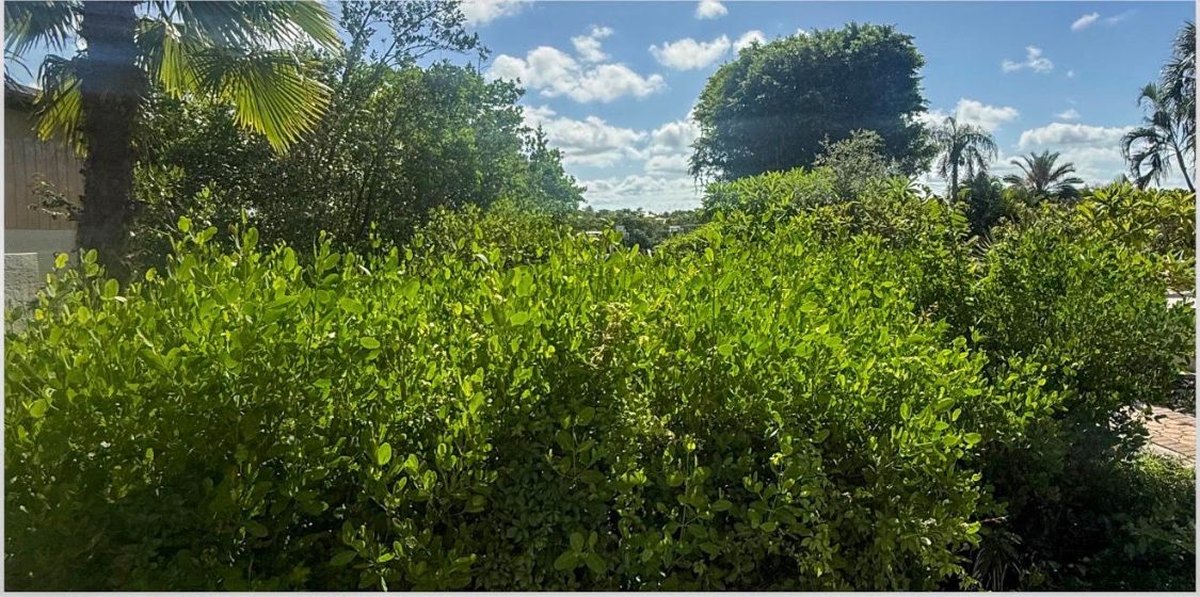
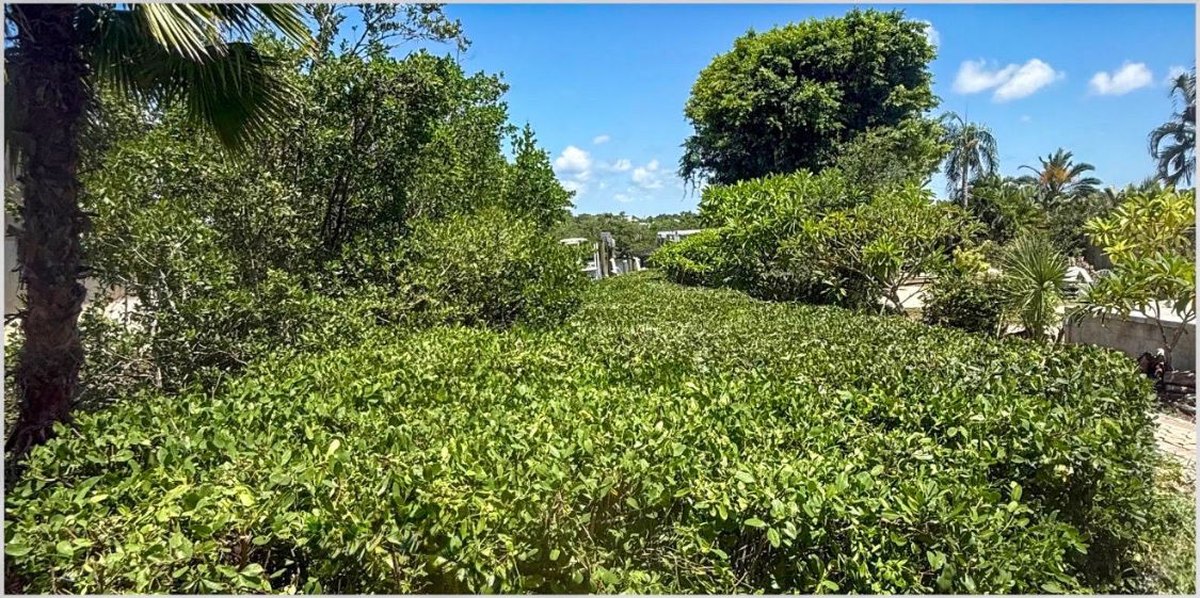
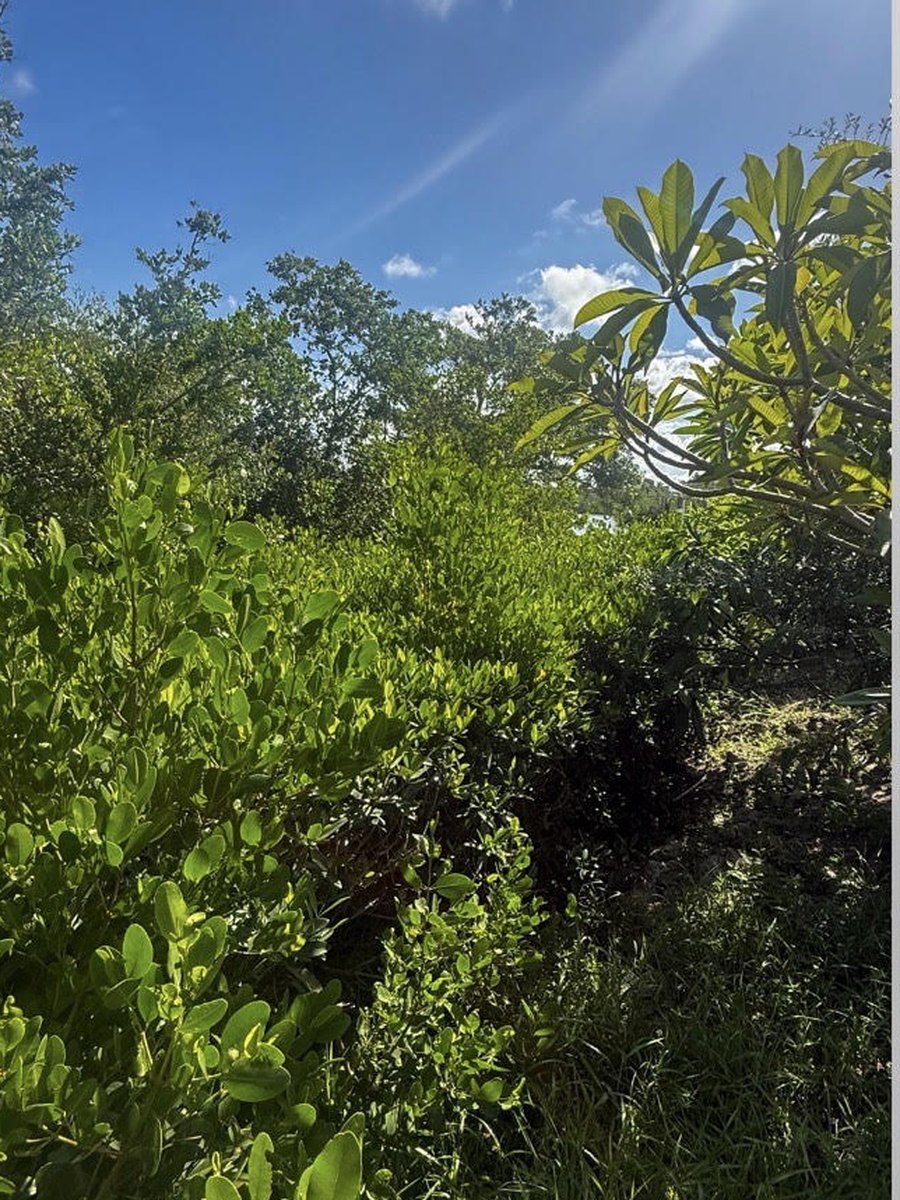
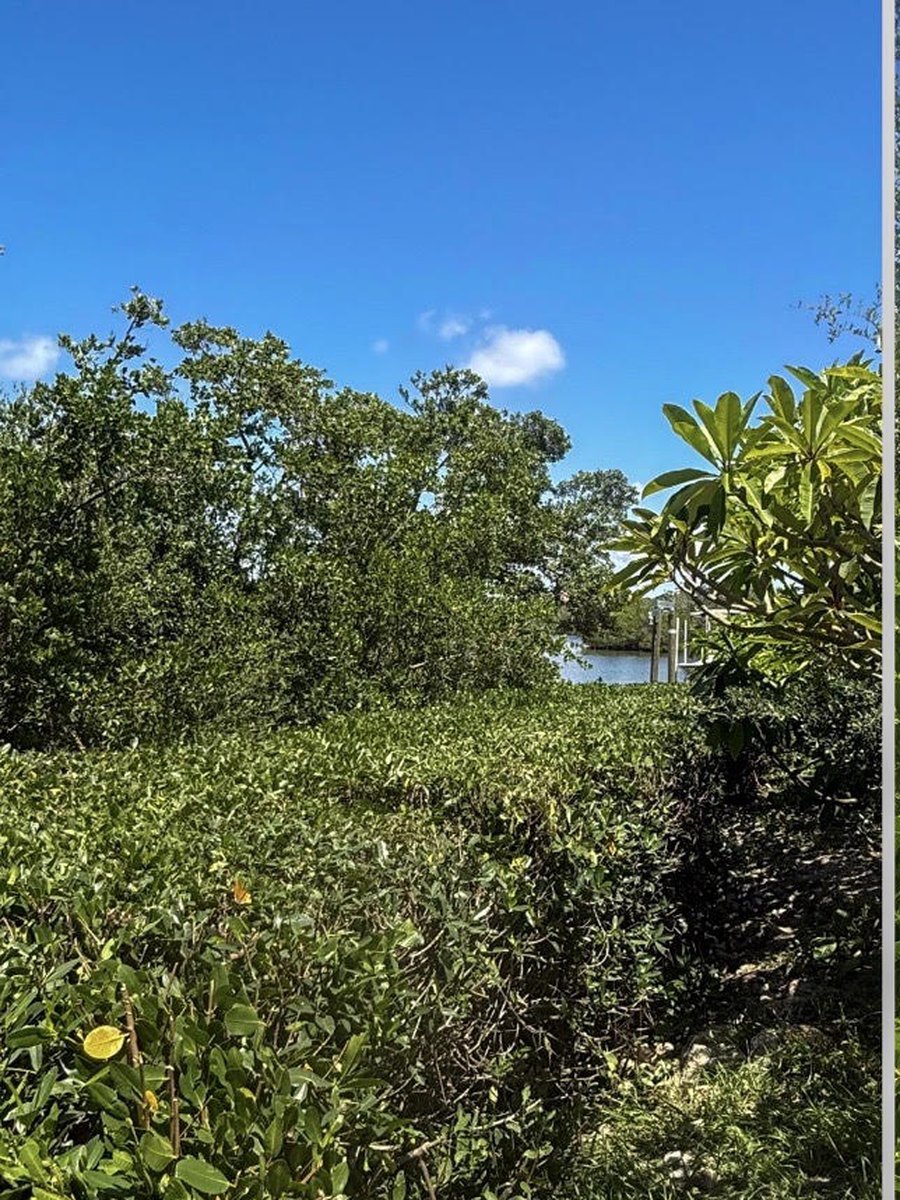
Two waterfront jobs, trimmed to the height Florida law allows and no further.
Need Mangrove Trimming?
Tell us what you're looking at and we'll come take a look - free, with a firm written price and a straight recommendation.